
70% Of LinkedIn's Users Are “Passive” Candidates 👀
Sep 28, 2026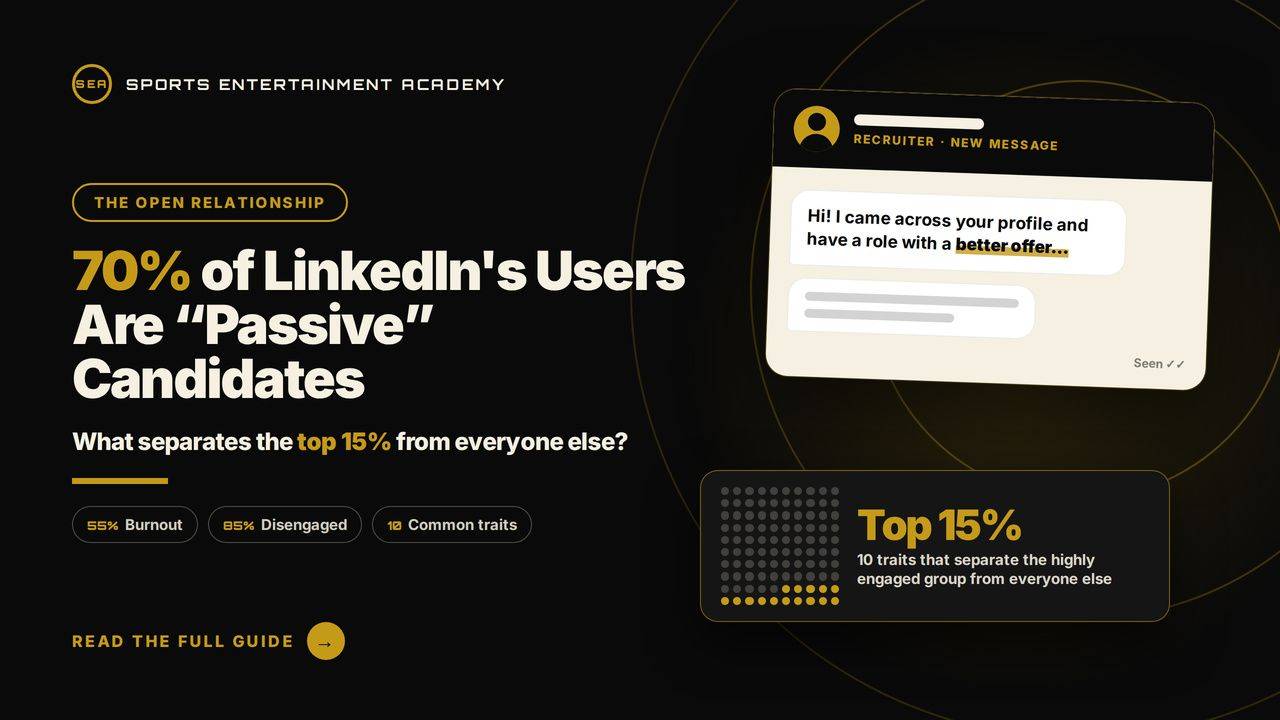
These are professionals who aren't aggressively applying to jobs but are inherently in an "open relationship" with their employer if a recruiter slides into their DMs with a better offer 📩
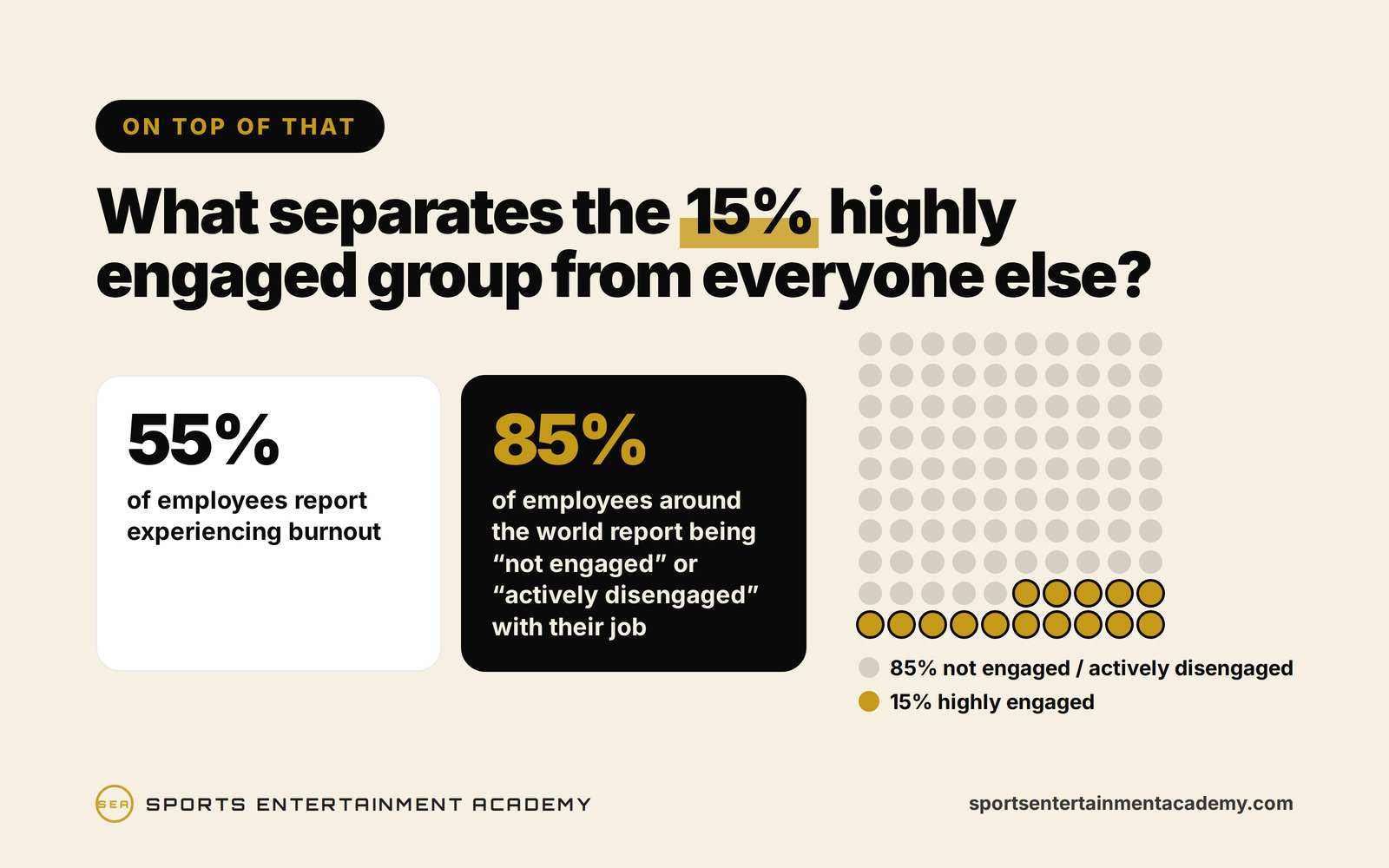
When you layer on the fact that 55% of the workforce reports experiencing burnout and even further, 85% of employees around the world report being “not engaged” or “actively disengaged” with their job, according to Gallup…
It begs the question: What are the other 15% doing differently? 🤔
The ones who report they love their job, feel highly motivated and actively want to help the company succeed - don't leave their careers to luck. They operate on a completely different level...
Let’s breakdown 10 common traits of the top 15%:
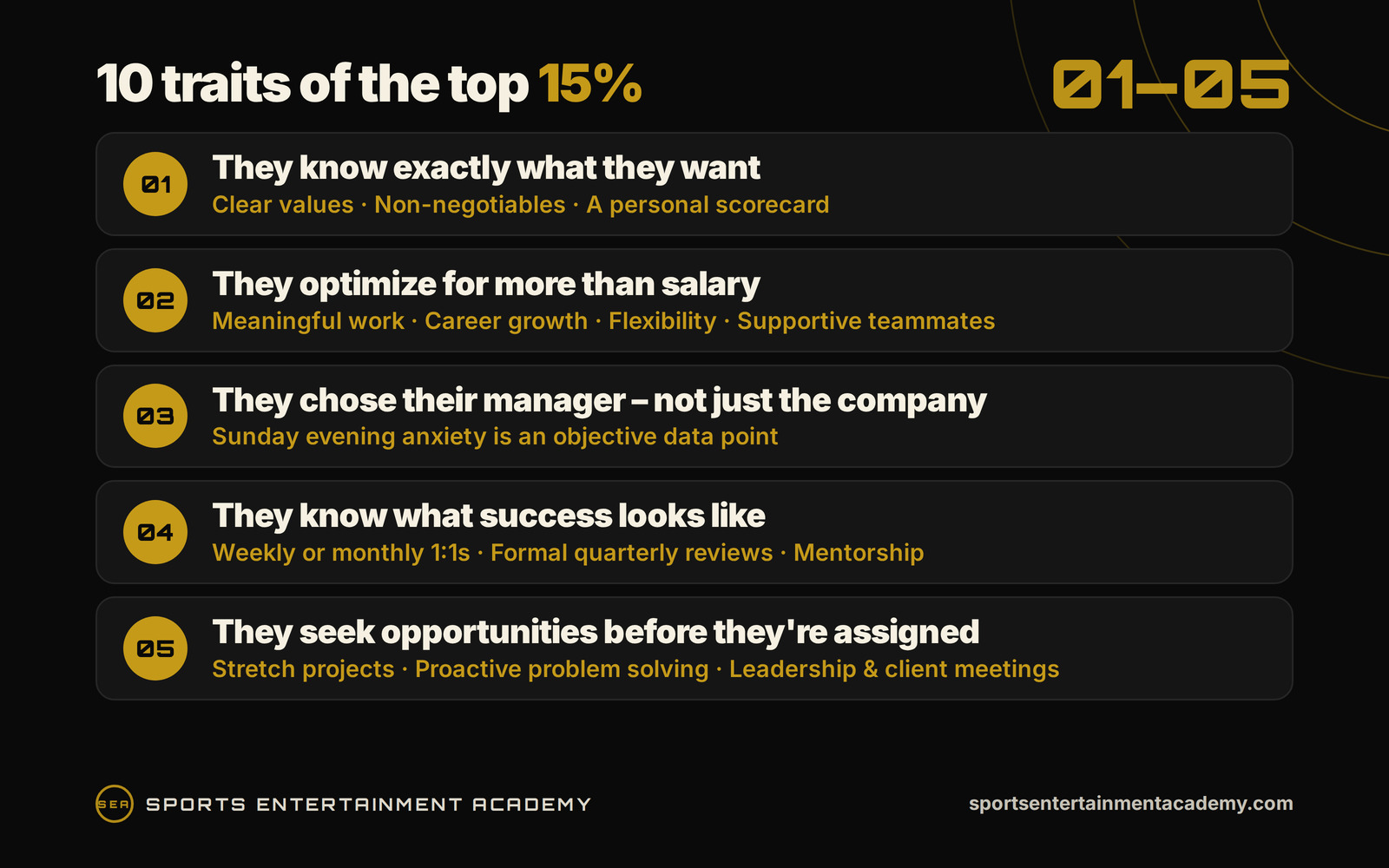
🎯 1. They use data-driven filters
→ They don't make 'gut' career decisions. Before taking a role, they audit the company against a personalized matrix (values, culture, runway) to ensure the environment matches their non-negotiables.
💰 2. They view compensation holistically
→ They don't chase a paycheck at the expense of their sanity. They optimize for a "total return" model: supportive colleagues, flexible working hours, interesting projects, career trajectory and other benefits.
👤 3. They chose their manager - not just the company
→ A great boss can make an average company enjoyable. A poor manager can make a dream company unbearable. If Sunday evening brings sharp anxiety, they treat it as an objective data point that something needs to change. They choose leaders who empower them, not micro managers.
♻️ 4. They insist on structural feedback loops
→ They don’t wonder where they stand. They protect their growth by ensuring weekly or monthly 1:1s, clear KPIs, formal quarterly reviews and mentorship frameworks are actively built into their schedule.
🚪 5. They pull themselves into the room
→ They don’t wait to be handed opportunities. They volunteer for high-visibility stretch projects, earning invitations to leadership and client meetings that expand their perspective and internal equity.
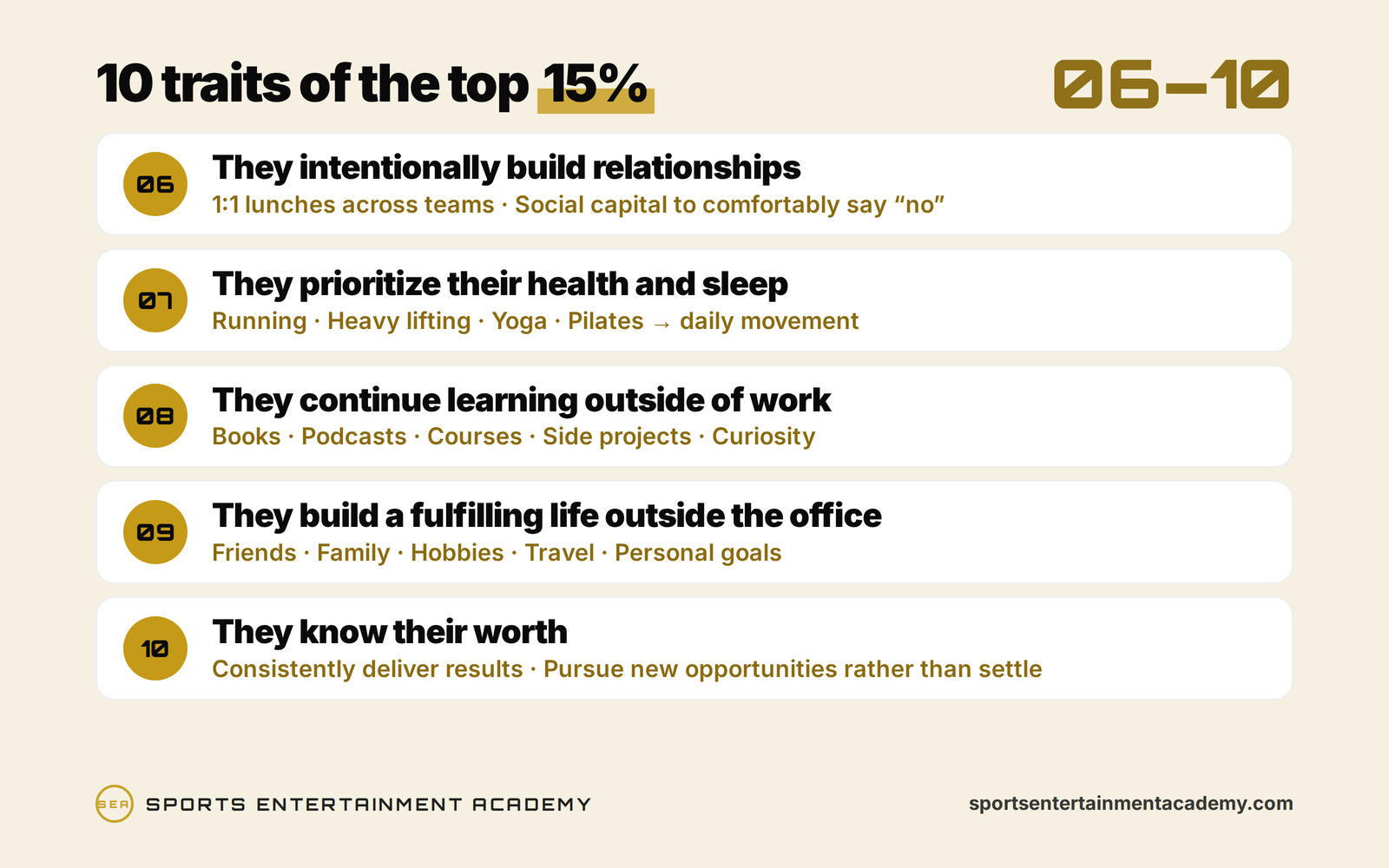
🤝 6. They build cross-functional equity
→ They actively set up 1:1 lunches across departments, attend company happy hours / events, take their allotted PTO while recognizing that careers are built through people, not just performance. Building deep internal trust gives them the social capital required to set firm boundaries and comfortably say "no."
🏃🏽♀️ 7. They prioritize somatic energy management
→ They recognize that mental clarity requires physical output. Whether it’s heavy lifting, running, yoga, or pilates, daily movement is treated as a non-negotiable performance tool, alongside real sleep.
📚 8. They build an identity outside of their 9-to-5
→ They don't let a corporate title define them. They aggressively disconnect on evenings / weekends, build personal side projects, read books, listen to podcasts, take courses and focus on continuous upskilling. As Tony Robbins notes: "Growth = Happiness."
🪬 9. They audit their inner circle
→ They understand that professional growth stalls without personal support. They intentionally protect their energy by surrounding themselves with inspiring, grounding relationships outside the office.
🥇 10. They know their worth
→ They over-deliver early to outpace stress, but they refuse to settle for complacency. If their impact isn't recognized or rewarded, they don't complain - they leverage their market value and exit.
Being engaged at work isn't just about finding the perfect company. It's about intentionally designing a career - and a life - that energizes you 🔋
Author